
A simple guide: “How to start a private label beauty brand with low budget”
-
jyybeauty
- Posted on
- 0 comments
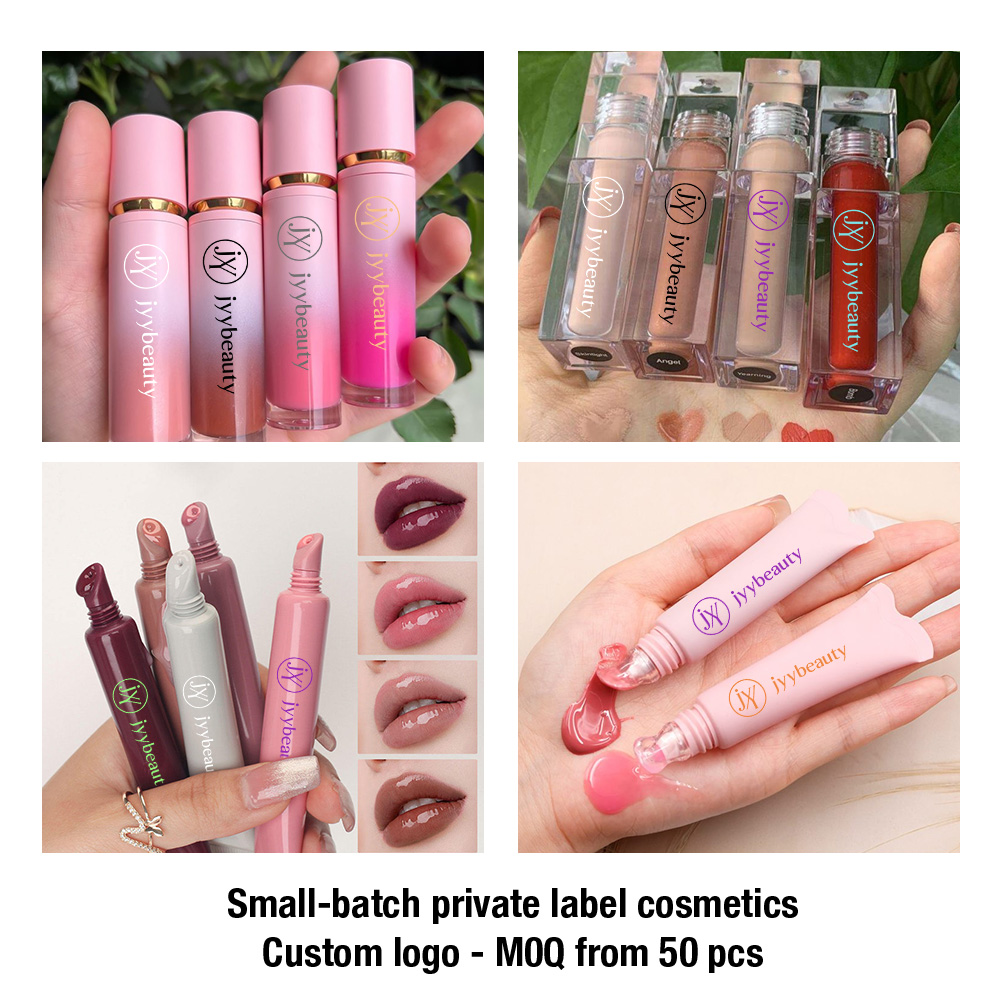
A Simple Guide: How to Start a Private Label Beauty Brand with Low Budget
Launching your own beauty brand doesn’t have to cost tens of thousands of dollars. With private label cosmetics and small-batch production, you can start with a few hundred to a couple of thousand dollars and grow step by step.
This guide walks you through the essential steps, with a focus on keeping costs low while building a real, sellable brand.
Step 1: Clarify Your Brand Idea (Before Spending Anything)
Before you choose products or suppliers, get clear on three things:
- Who is your target customer?
Examples: college students, working professionals, clean-beauty lovers, luxury skincare fans. - What problem are you solving?
Examples: long-wear lip color for busy moms, gentle skincare for sensitive skin, affordable glam for Gen Z. - What makes your brand different?
Examples: minimalist design, bold colors, vegan & cruelty-free, salon-quality at home.
You don’t need a perfect story — just a clear direction. This will guide your product choices, packaging, and marketing.
Step 2: Choose the Right Product Strategy
On a low budget, your product strategy should be simple and focused:
- Start with 1–3 hero products, not a full range.
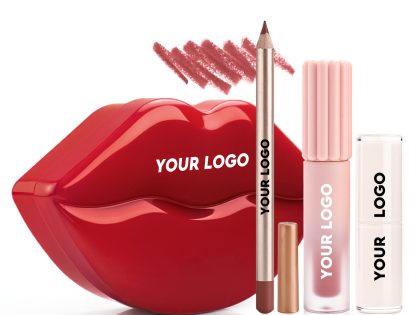
Great low-cost options:- Lipstick / lip gloss / lip balm
- False eyelashes
- Basic skincare (e.g., facial oil, serum, moisturizer)
- Pick proven, trending items instead of very niche formulas.
This reduces the risk of “no one wants this.” - Use private label, not custom formulation at the beginning.
Private label means: you use existing, ready-made formulas and add your logo and branding. This saves you from costly R&D, testing, and high MOQ.
Step 3: Find a Reliable Private Label Supplier
Your supplier is your most important partner. Look for someone who:
- Supports low MOQ (e.g., 100–500 pcs per item)
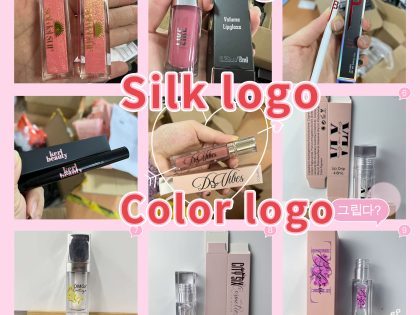
- Offers custom logo printing (silk screen, hot stamping, labels, laser)
- Can provide fast sampling (3–7 days)
- Has basic quality documentation (GMP/ISO22716, ingredient lists, MSDS on request)
You can find such suppliers on platforms like Alibaba, or work with specialized private label partners that focus on small brands.
Tip: Start by contacting 3–5 suppliers, compare:
- Product quality (via samples)
- Price range
- MOQ and lead time
- Communication speed and professionalism
Choose the one that feels most reliable and easy to work with, not just the cheapest.
Step 4: Order Samples and Test Everything
Never skip the sampling step, even on a tight budget.
- Order samples with your logo or at least your brand name on the label/packaging.
- Test:
- Texture, color payoff, wear time
- Packaging quality (does it feel cheap or intentional?)
- Overall impression: would you buy this?
Use around $50–$150 for samples and shipping. This small investment can save you from wasting money on the wrong product.
Step 5: Build a Simple but Professional Brand Identity
You don’t need a big agency. You need clarity and consistency.
- Brand name: short, memorable, easy to spell. Check domain and social handle availability.
- Logo: keep it simple. Tools like Canva or affordable designers on Fiverr can create a clean logo for $0–$50.
- Visual style: choose 2–3 main colors and 1–2 fonts. Use them consistently on:
- Product labels
- Packaging
- Social media posts
- Website or store
Your brand should look intentional, even if your budget is small.
Step 6: Plan a Realistic Low-Budget Launch
Here’s a simple way to think about your budget (example: $1,000 total):
- $150–$200: Samples + shipping
- $500–$600: First small bulk order (2–3 products, low MOQ)
- $100–$150: Logo design, domain, basic website or store setup
- $100–$150: Simple product photography (you can use your phone + natural light)
- Remaining: Small marketing/test ads or reserve for unexpected costs
Key rule:
- Allocate roughly 50% to product & brand basics,
- 30% to marketing,
- 20% as runway for surprises.
You can start even smaller (under $200) using a dropshipping/private label model with no inventory, then reinvest profits into stock and better packaging.
Step 7: Set Up a Simple Sales Channel
You don’t need a complex website at the beginning. Options include:
- Shopify store (beginner-friendly, monthly fee)
- Etsy / Amazon Handmade (good for testing demand)
- Instagram Shop / Facebook Marketplace / TikTok Shop
- Pre-orders via Google Form + PayPal/Stripe (ultra-low cost)
Focus on:
- Clean product photos (natural light, simple background)
- Clear product descriptions (benefits, how to use, ingredients if needed)
- A simple story: who you are, who this is for, why it’s different
Step 8: Promote with Free or Low-Cost Marketing
You don’t need a huge ad budget to get your first sales.
- Social media content:
- TikTok/Reels: swatches, tutorials, before/after, “day in the life of a beauty founder”
- Instagram: product photos, customer testimonials, behind-the-scenes of packaging and samples
- Micro-influencers & friends:
- Send free samples to 5–10 micro-creators or friends in your target audience.
- Ask them to post honest reviews and tag your brand.
- User-generated content:
- Encourage early customers to share photos/videos using your products.
- Offer a small discount on their next order in exchange for a post or review.
Use hashtags like:#privatelabelcosmetics #beautybrand #makeupbrand #skincareline #smallbusiness
Consistency matters more than perfection. Post regularly and engage with comments and DMs.
Step 9: Validate, Learn, and Scale Slowly
Your first launch is about learning, not getting rich immediately.
Track:
- Which products sell best?
- Which content gets the most engagement?
- What questions do customers ask most?
Then:
- Double down on the winning products and messages.
- Improve packaging or shades based on feedback.
- Gradually expand your line (new shades, new products) only after you see consistent sales.blankabrand+1
Avoid big inventory jumps until you have clear repeat orders and stable cash flow.
How a Small-Batch Private Label Partner Can Help
If you want to keep costs and risk low, working with a supplier that specializes in small-batch private label can make a big difference.
Look for a partner who can:
- Support MOQ from 100–500 pcs per item
- Offer custom logo on products and packaging
- Provide fast sampling (3–7 days) so you can test before committing
- Guide you on basic compliance (ingredient lists, labeling, documentation)
This allows you to:
- Launch your own branded cosmetics without a lab or huge investment
- Test the market with small trial orders
- Scale up gradually as you grow
Ready to Take the First Step?
If you’re considering launching your own beauty brand, you don’t need to figure everything out alone.
We specialize in small-batch private label cosmetics with custom logo, helping founders, salons, and online sellers start with low risk and low budget.
If you’d like, we can:
- Recommend suitable products for your brand idea
- Share price ranges and MOQ options
- Prepare a simple proposal tailored to your budget and timeline
Just reply to this email with:
- Your target market (country/region)
- The type of products you’re interested in (lipstick, lip gloss, skincare, etc.)
- Your rough budget range
We’ll send you a customized starter plan and sample options.