
How to Customize Small-Batch Lipstick for Your Startup Beauty Brand (2026 Guide)
-
jyybeauty
- Posted on
- 0 comments
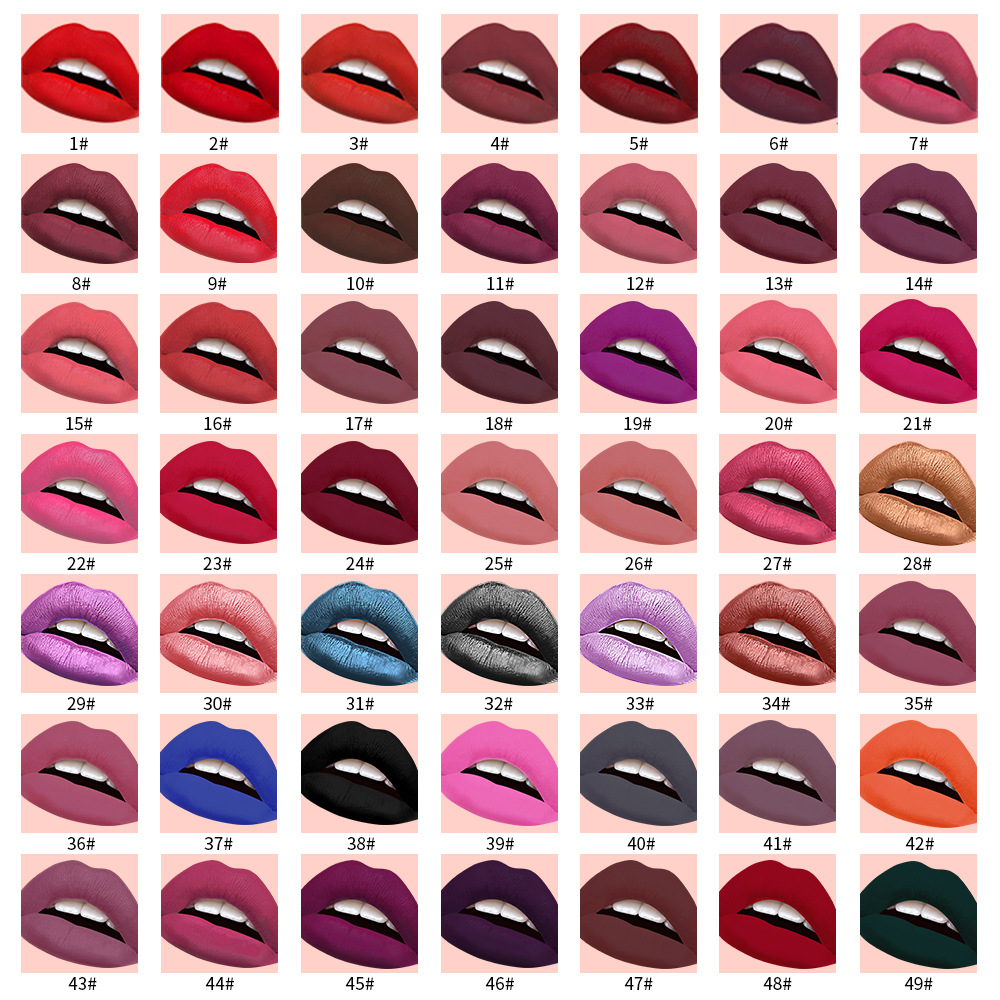
Launching a lipstick line doesn’t require ordering 1,000+ units or partnering with big factories. In 2026, more indie beauty founders are choosing small-batch custom lipstick production — with MOQs as low as 50–100 pcs — to test shades, validate demand, and scale intelligently.
This step-by-step guide walks you through everything you need to know: from formula selection and packaging to compliance, testing, and launch strategy — all tailored for startups on a budget.
Why Small-Batch Lipstick?
Traditional lipstick manufacturers often demand minimum orders of 500–1,000 units per shade. For a new brand, that’s a huge financial risk — especially if a shade doesn’t sell.
Small-batch production solves this by offering:
- ✅ Low MOQs: Start with 50–200 units per shade
- ✅ Faster turnaround: 7–15 days from sample to bulk
- ✅ Custom formulas: Matte, satin, glossy, long-wear, vegan
- ✅ Lower upfront cost: Test 3–5 shades before committing to large inventory
- ✅ Scalability: Reorder with better pricing once you validate demand
Perfect for:
- Beauty entrepreneurs testing new concepts
- Influencers launching personal brands
- E-commerce sellers adding private-label SKUs
- Salons/spas creating retail products
Step 1: Define Your Lipstick Type
Before contacting manufacturers, decide on your product’s core attributes. This affects formula, packaging, and cost.
| Attribute | Options | Impact on Formula & Cost |
|---|---|---|
| Finish | Matte, Satin, Creamy, Glossy, Metallic | Matte requires more wax; glossy needs more oils |
| Wear Time | Standard (4h), Long-wear (8–12h) | Long-wear needs film-formers (e.g., hydrogenated polyisobutene) |
| Vegan? | Yes (candelilla wax) / No (beeswax) | Vegan formulas cost 5–10% more |
| Fragrance | Unscented, Vanilla, Berry, Custom | Adds $0.10–$0.30/unit |
| Packaging | Standard tube, Magnetic, Refillable | Refillable = higher unit cost, but premium positioning |
💡 Pro Tip: Start with 3–5 “safe” shades (e.g., classic red, rosy nude, tomato red) using public mold packaging. Avoid custom molds until you validate demand.
Step 2: Choose Your Formula Strategy
You have three options:
Option A: Use Manufacturer’s Existing Formula (Fastest & Cheapest)
Most small-batch manufacturers offer 10–20 ready-made base formulas (matte, satin, glossy). You simply:
- Pick a base (e.g., “Vegan Matte Lipstick Base #3”)
- Choose 1–3 shades from their color library
- Add your logo to standard packaging
Cost: $1.80–$3.50/unit (MOQ 50–100 pcs)
Lead Time: 7–10 days
Option B: Customize Existing Formula (Mid-Range)
Want a specific texture or performance? Work with the manufacturer’s lab to adjust:
- Wax ratio (for hardness/melt point)
- Oil blend (for hydration or shine)
- Pigment load (for opacity or sheer finish)
Cost: $2.50–$4.50/unit (MOQ 100–300 pcs)
Lead Time: 10–15 days (includes sample rounds)
Option C: Fully Custom Formula (Highest Cost, Longest Time)
For unique claims (e.g., “plumping,” “color-changing,” “CBD-infused”), you’ll need a custom R&D project.
Cost: $4.00–$7.00+/unit (MOQ 300–500 pcs)
Lead Time: 30–45 days (includes stability testing)
💡 Recommendation: Start with Option A or B. Use Option C only after validating demand with initial batches.
Step 3: Select Shades & Test Wear
Don’t guess — validate.
Shade Selection Checklist:
- ✅ Research Pantone’s 2026 color trends (e.g., “Peach Fuzz,” “Digital Lavender”)
- ✅ Choose shades that complement each other (e.g., 1 nude, 1 red, 1 berry)
- ✅ Consider skin tone diversity (test on fair, medium, deep skin)
- ✅ Request physical swatches (not just digital proofs)
- ✅ Test under different lighting (studio, daylight, smartphone flash)
Wear Test Protocol:
- Apply lipstick on 5–10 testers (diverse lip types: dry, oily, lined)
- Check at 2h, 4h, 8h for:
- Fade
- Feathering
- Transfer (on cups, masks)
- Comfort (dryness, stickiness)
- Adjust formula if needed (e.g., add more emollients for dryness)📌 Real Example: A US startup tested 3 shades on 25 users (age 22–45). Shade #2 (rosy beige) had 80% approval — they launched with that first, then added 2 more shades based on feedback.
Step 4: Packaging & Branding
Packaging is your brand’s first impression. For small batches, keep it simple.
Packaging Options:
| Type | MOQ | Cost/Unit | Best For |
|---|---|---|---|
| Standard Tube | 50 pcs | $0.30–$0.60 | Testing, pop-ups |
| Magnetic Closure | 100 pcs | $0.80–$1.20 | Premium positioning |
| Refillable System | 200 pcs | $1.50–$2.50 | Eco-conscious brands |
| Custom Mold | 500+ pcs | $2.00+ | Established brands (avoid for first batch) |
Branding Checklist:
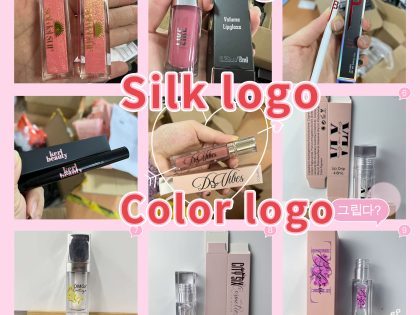
- ✅ Logo printed on tube or box (silkscreen, hot stamp, or label)
- ✅ Color palette consistent with your website/socials
- ✅ Typography: Choose 1–2 fonts (e.g., sans-serif for modern, serif for luxury)
- ✅ Secondary packaging: Box, sleeve, or pouch (adds $0.20–$0.50/unit)💡 Pro Tip: Order 10–20 units with your logo for product photography and influencer gifting — even before bulk production.
Step 5: Production & Launch Timeline
Here’s a realistic 12-week roadmap for your first small-batch lipstick launch:
| Week | Action | Deliverables |
|---|---|---|
| 1–2 | Formula selection + sample request | 3 lab samples (different base ratios) |
| 3–4 | Color matching + packaging sampling | Physical swatches + packaging mockups |
| 5–8 | Stability testing (in parallel with production prep) | Stability reports + microbial test |
| 9–10 | Final formula sign-off + bulk production | 100–300 units per shade |
| 11–12 | Labeling, photography, marketing buildup | Product photos, shade cards, website copy |
💡 Buffer: Add 2 weeks for shipping, customs, or unexpected delays.
Step 6: Pricing & Profit Margins
Don’t underprice — factor in all costs.
Sample COGS Breakdown (per 5g tube):
| Component | Cost |
|---|---|
| Formula | $1.20 |
| Tube + Cap | $0.50 |
| Box + Label | $0.30 |
| Labor + Assembly | $0.20 |
| Shipping (bulk) | $0.15 |
| Total COGS | $2.35 |
Pricing Strategy:
- Wholesale: 2.5x COGS = $5.88/unit
- Retail (DTC): 4–5x COGS = $9.40–$11.75/unit
- Influencer/Seeding: Offer 50% discount for UGC content📌 Real Example: A founder launched 3 shades at $12 each, sold 150 units in Month 1 → $1,800 revenue, $645 profit (after ads, shipping, samples).
Common Mistakes to Avoid
❌ Ordering custom molds too early → Stick to public molds for first batch.
❌ Skipping wear tests → Leads to returns and bad reviews.
❌ Overextending shade range → Start with 3–5 SKUs, not 20.
❌ Ignoring compliance → FDA can issue warnings or recalls.
❌ Underpricing → You’ll lose money after ads, shipping, and samples.
Ready to Launch?
Small-batch lipstick production is the smartest way for startups to enter the beauty market — with minimal risk, maximum flexibility, and room to scale.
Next Steps:
- ✅ Define your lipstick type (matte? vegan? long-wear?)
- ✅ Contact 2–3 small-batch manufacturers for samples
- ✅ Run wear tests on 3–5 shades
- ✅ Finalize packaging + branding
- ✅ Launch with a “Founders Circle” pre-order (e.g., 3 shades for $29)
Need help finding a reliable small-batch lipstick manufacturer? Welcome to contact us to discuss further.