
Building a Beauty Brand from Small Batches
-
jyybeauty
- Posted on
- 0 comments
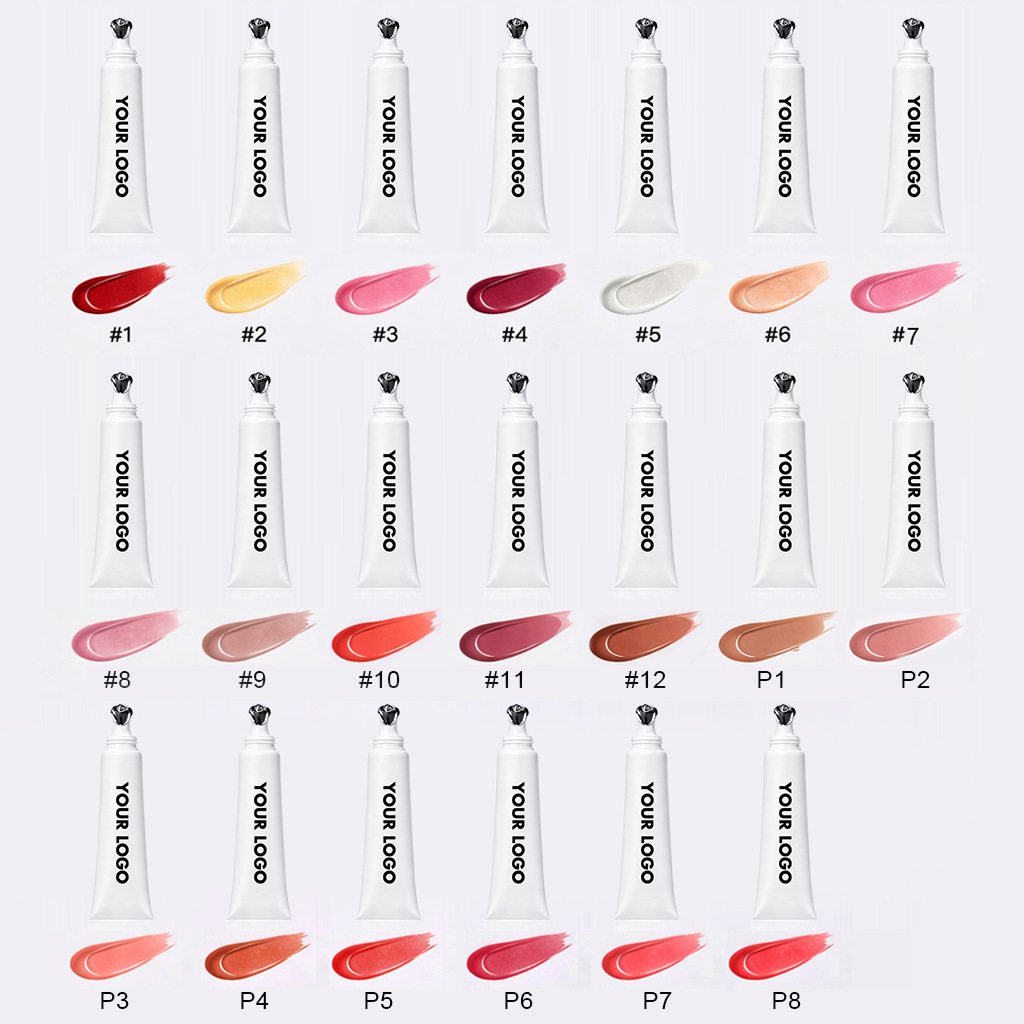
Starting a beauty brand does not always require a large factory order, a full product line, or a heavy upfront investment. For many new founders, the smarter path is to begin small, test the market, and grow step by step. Small-batch launches and low-MOQ production make it possible to build a brand with less risk while still creating a professional image.
Why Small-Batch Launching Makes Sense
A small-batch strategy helps new beauty brands protect cash flow and reduce pressure in the early stage. Instead of committing to thousands of units, founders can start with a focused product range, learn from customer feedback, and improve before scaling.
This approach is especially useful for indie beauty brands, startup skincare lines, and private label makeup businesses that want to enter the market quickly. It allows you to launch sooner, test demand faster, and avoid overstocking products that have not yet proven themselves.
Start With One Hero Product
One of the most practical ways to begin is to launch with one hero product. A single product gives your brand a clear identity and helps customers understand what you are offering.
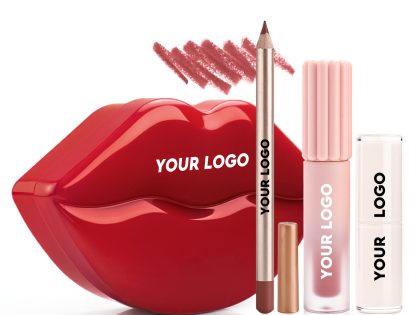
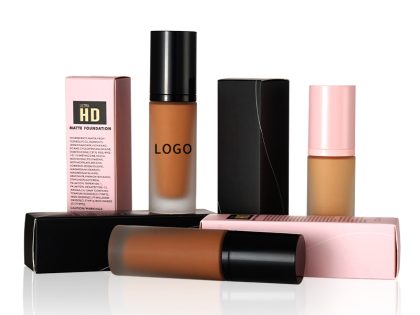
For example, a skincare brand may begin with a serum or moisturizer, while a color cosmetics brand may start with a lip product, brow product, or foundation. When the first product performs well, you can expand into a wider collection later.
Keep Customization Simple at the Beginning
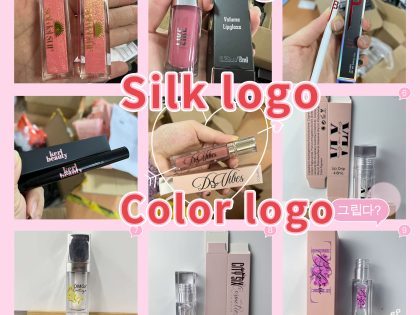
When your brand is still new, it is usually better to keep customization practical. Many founders start with existing formulas, low-MOQ packaging, and simple logo printing before moving into full custom development.
This gives you a chance to focus on brand positioning, marketing, and customer response instead of spending too much time and money on development before demand is clear. Clean packaging, clear labeling, and a polished product presentation often matter more than complexity in the early stage.
Build Your Brand Story Early
A strong beauty brand is not only about the product itself. It is also about the story behind the product, the audience you want to serve, and the problem you want to solve.
Your website should explain who the brand is for, what makes it different, and why customers should trust it. Clear messaging helps new brands look credible and makes it easier for buyers to say yes.
Test Demand Before Scaling
The first launch should be treated as a market test. You can use sample campaigns, pre-orders, small online promotions, or direct outreach to see how customers respond.
Once you gather real feedback, you can make better decisions about formulas, packaging, pricing, and future product expansion. This is one of the biggest advantages of starting small: you learn from the market before making a larger commitment.
Common Mistakes to Avoid
New founders often make the mistake of launching too many products at once. This can make the brand harder to understand and increase inventory pressure.
Another common mistake is over-investing in custom development too early. A better approach is to validate the concept first, then invest more once you know there is demand.
Final Thoughts
If you are planning to start a small beauty brand, focus on one product, one audience, and one clear launch plan. Start lean, listen to the market, and build your brand in stages.
A small-batch launch is not a limitation. For many beauty businesses, it is the most practical way to start strong and grow with confidence.
If you want, I can also turn this into:
- a more luxury brand tone
- a more sales-focused SEO blog
- a newsletter format with subject line + preheader
- a Chinese-English bilingual version