
“Start a Makeup Brand with $500 in 2026: A Practical Micro‑Launch Guide for Ultra‑Low Budgets”
-
jyybeauty
- Posted on
- 0 comments
1. Choose a micro‑niche + 1 hero product
Instead of “a makeup line,” think: “one problem, one product, one audience.”
Examples that work well on tiny budgets:
- Tinted lip balm for dry lips (1–2 shades)
- Clear brow gel for unruly brows
- Mini cream blush stick (1 universal shade)
- Multipurpose tint for lips + cheeks
Why: Fewer SKUs = lower MOQs, less inventory risk, simpler messaging.
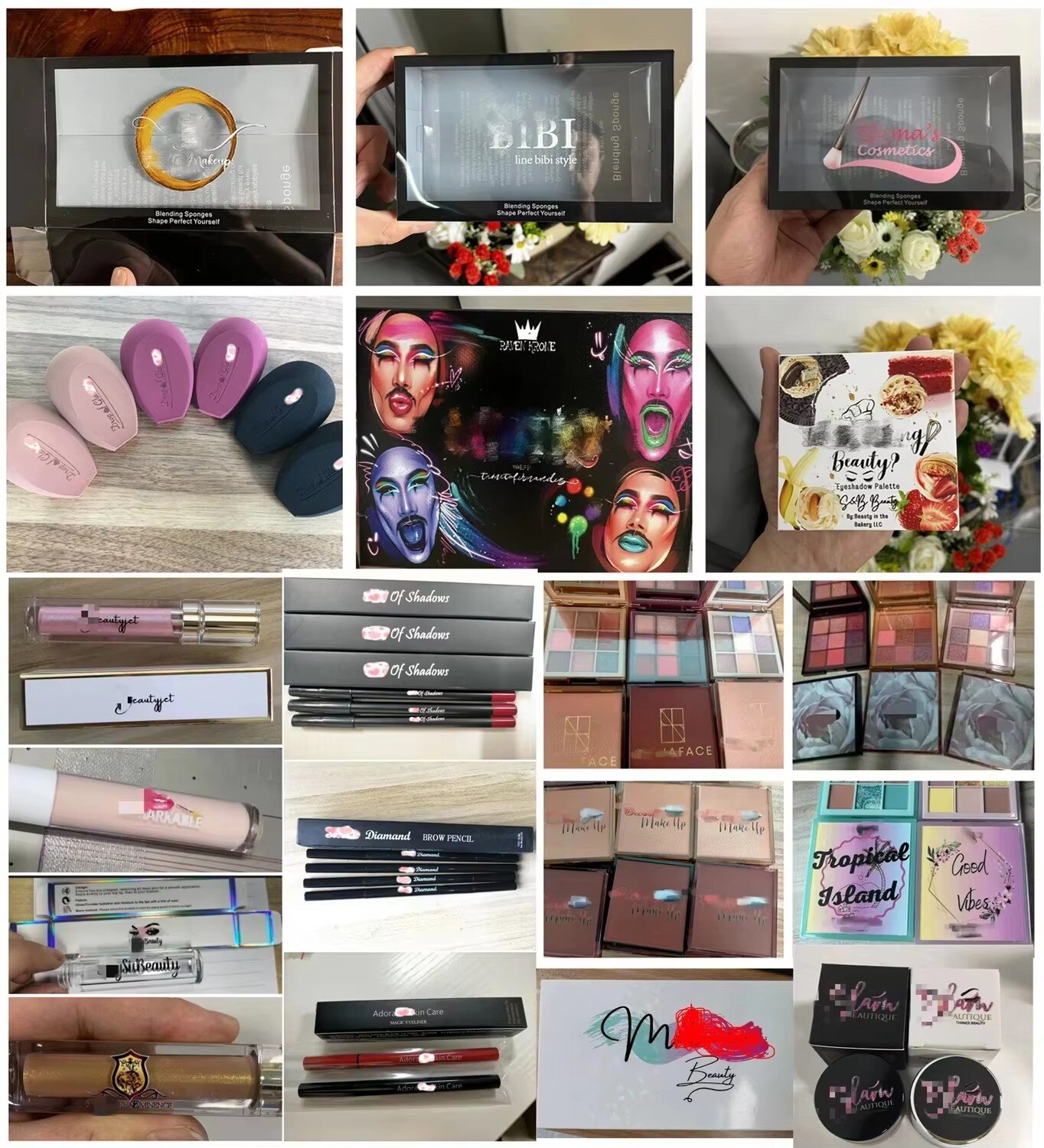
2. Use private label / white label with low MOQ
At $500 you cannot afford custom formulas or big minimum orders. Look for suppliers that offer:
- Low MOQ (e.g., 50–100 units per SKU)
- Ready‑made, compliant formulas
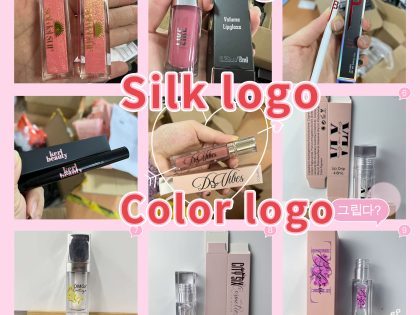
- Basic logo printing or label application
- Small sample fees
Search terms: “private label lip gloss low MOQ,” “white label cream blush small batch,” “private label cosmetics manufacturer low minimum.”
Typical cost split for $500 micro‑launch (example):
- Samples + testing: $80–$120
- First small batch (1–2 SKUs, 50–100 units each): $250–$300
- Basic branding (logo, label design via Canva/Fiverr): $50–$80
- Domain + simple store (Shopify basic plan, or even just Instagram/TikTok Shop to start): $0–$50 (you may need to start with social + pre‑orders to keep this under $500)
If numbers don’t fit, reduce units or start with pre‑orders to fund production.
3. Keep branding simple but premium‑looking
On a $500 budget, you can’t overspend on branding, but packaging must look trustworthy.
- Use stock packaging offered by the supplier (no custom molds).
- Design a clean label in Canva (logo, product name, ingredients, warnings).
- Stick to 1–2 colors and a simple font for a “minimal luxury” feel.
Spend your money on:
- Product quality and stable formula
- Packaging that feels solid (weight, cap, finish)
Avoid: - Expensive logo suites, multiple box types, custom shapes at this stage.
4. Set up a “minimum viable store”
With $500, your store should be as cheap and simple as possible.
Options:
- Instagram + TikTok + WhatsApp/DM for orders (no website cost; you manually track orders).
- Shopify Basic (or similar) with a free theme, 1–3 products, simple checkout.
- Etsy or a marketplace that already has traffic (if allowed for your product type).
Essentials:
- Clear product photos (natural light, simple background)
- Short, benefit‑driven copy (who it’s for, what it does, how to use)
- Simple policy: shipping times, returns, allergen info
5. Validate with pre‑orders or a soft launch
Before spending all $500 on inventory:
- Post product teasers, swatches, and “coming soon” content.
- Collect interest via DMs, a Google Form, or a simple landing page.
- Offer a “first batch” discount for early buyers; use those funds to place your small order.
This turns your $500 into a proof‑of‑concept rather than a blind bet.
6. Market with zero/low‑budget tactics
Paid ads are not realistic at this budget. Focus on:
- Founder‑led content: short videos of you making, packing, testing, talking about the product
- Micro‑creators: gift 5–10 small creators (1k–10k followers) in exchange for honest reviews/UGC.
- Before/after and swatch content: show real results on different skin tones.
- Community building: reply to every comment/DM, ask for feedback, build a small “founding customers”group.
Your goal is not viral reach; it’s your first 20–50 paying customers and real testimonials.
8. Reinvest every dollar into the next batch
With such a small start, treat the first run as a test:
- Track which shade sells, what content converts, what questions people ask.
- Use profits to:
- Increase inventory of the winning SKU
- Add 1 more shade or 1 complementary product only after you have consistent sales.
Do not expand your line until the hero product has repeat purchases.